Why invest in
Bali real estate.
The structural case for Bali in 2026 - tourism, infrastructure, the rental framework, entity structures, and where the next corridor sits.
The tourism base.
Bali welcomed nearly 7 million international visitors in 2025, up almost 10% year-on-year. What has changed over the last decade is less the volume than the composition: more long-stay and digital-nomad travel, and continued demand for design-led boutique stays over branded resorts.
Where the average leisure guest stays four to six nights, the long-stay guest stays four to six weeks - a different booking pattern, with lower turnover cost. It's part of why we underwrite each project against occupancy and length-of-stay assumptions rather than short-stay leisure averages; the fuller figures live in each project's own financial model, not here.
Roads change everything.
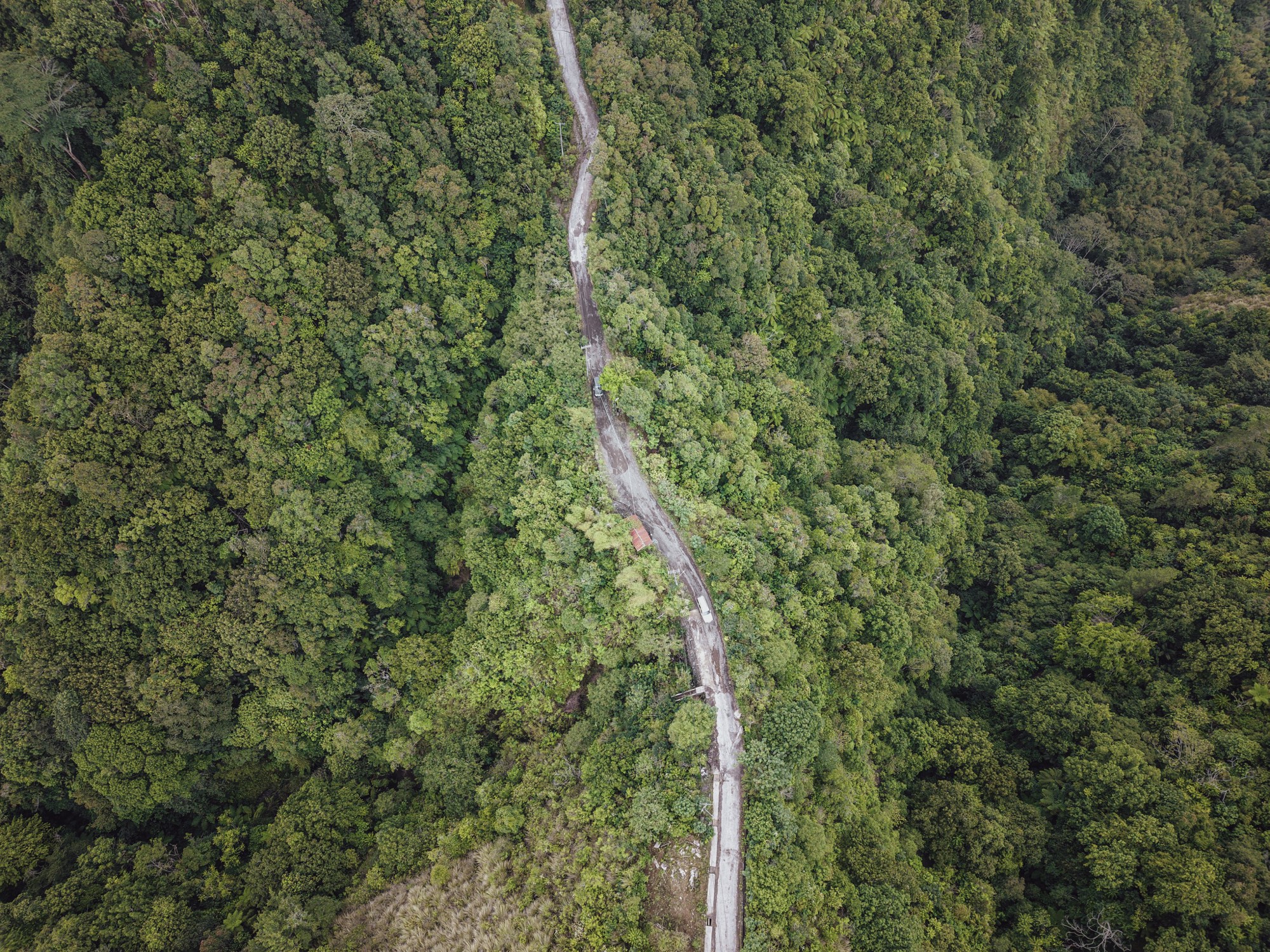
Two infrastructure projects matter for Bali's next decade. The Gilimanuk-Mengwi toll road, currently under construction, will connect the ferry port on the western tip of Bali to the Canggu area in under two hours. New arterial upgrades from the airport toward Ubud continue to compress drive times into the interior.
Development on the southern coast - Seminyak, then Canggu, then Pererenan - has followed the same road-access pattern for two decades. That same dynamic is now reaching the interior: Ubud's jungle-ridge parcels are scarce because most surrounding land is family-held rice terrace and rainforest that rarely comes to market, not because of any price forecast on our part.
Zoning is the moat.
Indonesian spatial planning law divides Bali into colour-coded zones. Only the Pink Zone permits short-term rental and villa operation. Most of the island is not Pink. A property that looks identical on the outside can be legal in one parcel and entirely unlicensable on the adjacent parcel.
This is the single most important due-diligence item for any Bali investment. The zoning map, the parcel-level land-use certificate, and the local planning department's written confirmation should all align before capital is committed. When they do, the resulting asset holds a real structural advantage: licensed inventory is constrained by zoning itself, not just by market conditions.
PT PMA, in plain terms.
Foreign investors cannot hold freehold Bali land directly. The standard structure is a PT PMA - an Indonesian limited company with foreign ownership - which itself holds a long leasehold over the land. Twenty-five to thirty-year leases with documented renewal rights are the norm.
When the PT PMA is a Special Purpose Vehicle (a single-project entity, with no other operations), investor capital is ring-fenced. Class A shares hold management rights; Class B shares hold all economic rights. Distributions are paid in EUR from the SPV's IDR revenues, with currency exposure largely naturalised because operating costs sit in the same currency as revenues.
Why Ubud, now.
Ubud sits in the Gianyar regency, at the cultural centre of the island. For two decades it has anchored the global map of wellness travel - yoga, spa, plant medicine, long-stay retreats.
Ridge parcels above the river valley are structurally scarce: most surrounding land is family-held rice terrace and rainforest that rarely comes to market, so new boutique inventory arrives slowly regardless of demand.
The current Nusa offering - The Ubud Wellness Bungalows - sits inside a confirmed tourism zone with an existing 28-year leasehold, fixed-price construction, and a thirteen-investor cap.
A short reading list.
- - Our philosophy - the three convictions that shape every project.
- - How investing works - structure, protections, FAQ.
- - Project Two - the current Ubud wellness offering, in one page.
Join the waiting list.
Full project documentation is shared first with names on the list.